Global Insights In Depth
Power belongs to those who read between the lines, not just the headlines.
Global Insights In Depth
Power belongs to those who read between the lines, not just the headlines.

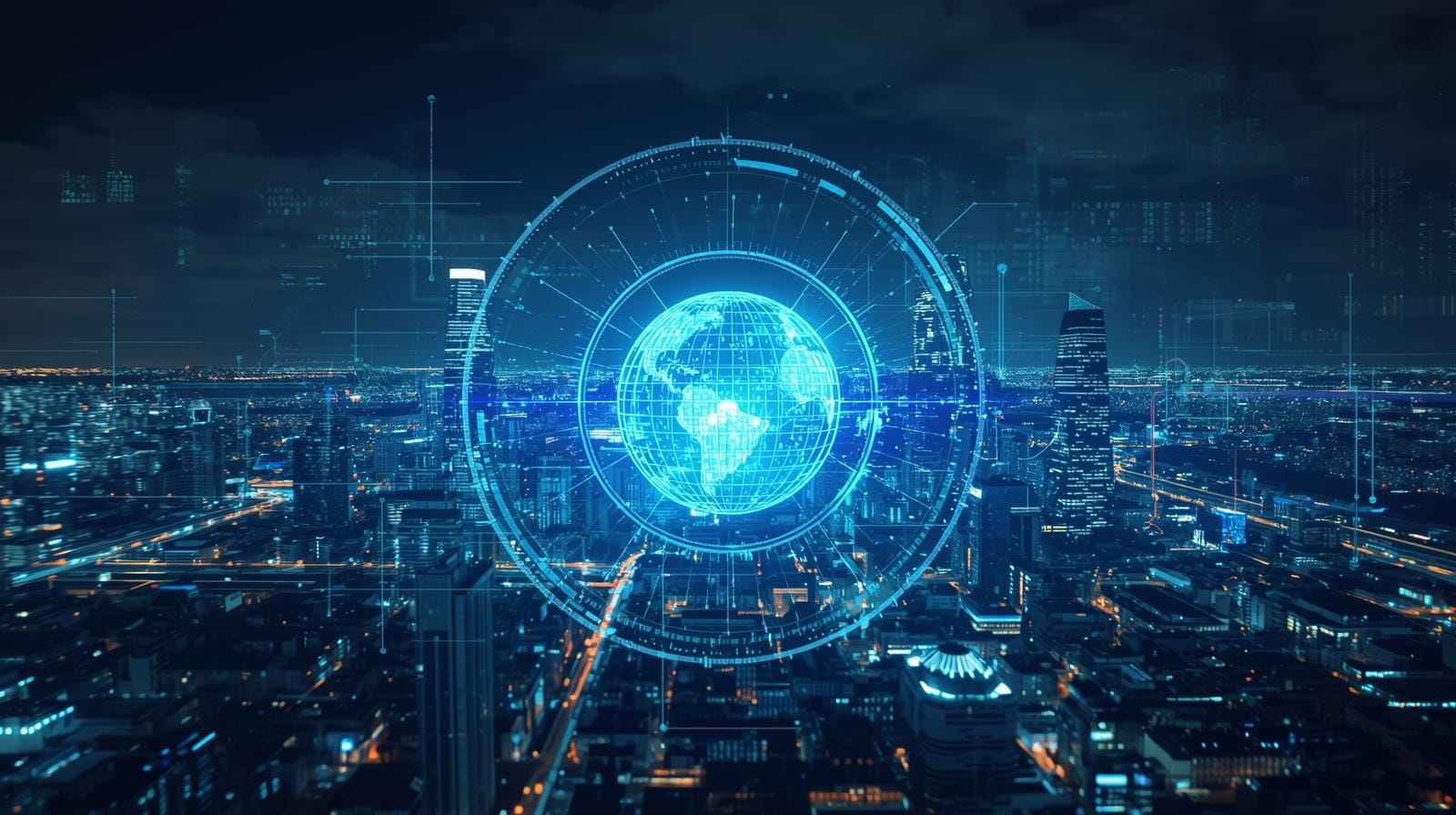
Artificial Intelligence is no longer just a buzzword, it is the central force reshaping global power, economics, and daily life. From Silicon Valley giants like OpenAI and Google to China’s rapid advancements, AI has become the foundation of the new digital empire. The stakes are high: whoever leads in AI doesn’t just dominate technology they influence security, finance, education, and the way billions of people interact with the world.
The AI race is often compared to the Space Race of the 20th century. Back then, landing on the moon was symbolic of power; today, building the most advanced AI systems signals control over the future.
Unlike the Space Race, this AI rivalry is not just about prestige it’s about controlling economies, influencing policies, and defining the rules of global competition.
AI in 2026 is not limited to apps, chatbots, or robotics. It has far-reaching implications:
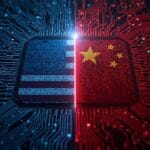
AI is now a strategic weapon in geopolitics. The U.S. and China are not just competing for market share but for ideological dominance.
The outcome of this rivalry will shape not just economies but also the balance of global power.
The future of power belongs not to nations, but to those who master intelligence.
TrendDepth
While AI promises efficiency and innovation, it also raises critical challenges:
Premium audiences investors, policymakers, business leaders are particularly focused on these risks, because they directly affect markets, governance, and long-term stability.
The future of AI will be decided not just by breakthroughs in research but by how governments, companies, and societies adapt.
One thing is clear: in 2026, AI is no longer a supporting tool it is the foundation of a new digital empire.

Artificial Intelligence is reshaping geopolitics, economies, and human interaction. OpenAI, Google, and China may be leading the charge, but the consequences will touch everyone, everywhere. For businesses, policymakers, and ordinary citizens, understanding this transformation is no longer optional it is essential.
In 2026, the U.S. and China are both leaders in AI in different ways. U.S. companies like OpenAI and Google lead in cutting-edge research and commercial AI products, while China’s state-backed efforts excel in rapid deployment at scale (e.g. nationwide surveillance AI, industrial automation). The “leader” depends on the metric – research breakthroughs, adoption, or strategic influence – and the race remains very close.
Because AI underpins virtually every aspect of modern power – from economic growth to military capability. In 2026, nations and companies that dominate AI effectively control the “digital empire,” influencing global finance (through AI-driven trading), military strength (autonomous weapons, cyber defense), and even social systems (via AI in education, healthcare). AI is no longer just tech; it’s the infrastructure of global influence.
AI is deeply embedded in daily life by 2026. It powers personalized education tutors, drives medical diagnostics and treatment plans, and automates customer service and many jobs. This improves convenience and efficiency, but also raises concerns – e.g. job displacement and privacy. The article notes that understanding these changes isn’t optional; everyone is touched by AI’s rise.
Related reads on TrendDepth: